
 GEO
GEO  ENG
ENG  RUS
RUS 
Help other travelers use your experience.
Review this destination, share your thoughts, impressions, pros and cons.
Let's make traveling easier than ever.
Sevan Monastery
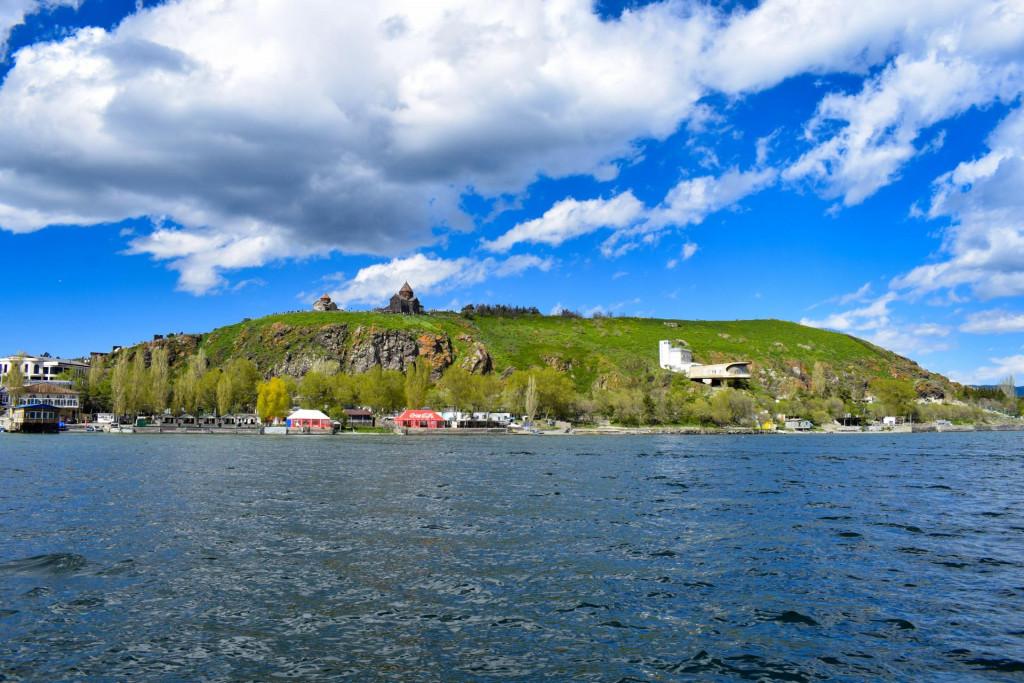
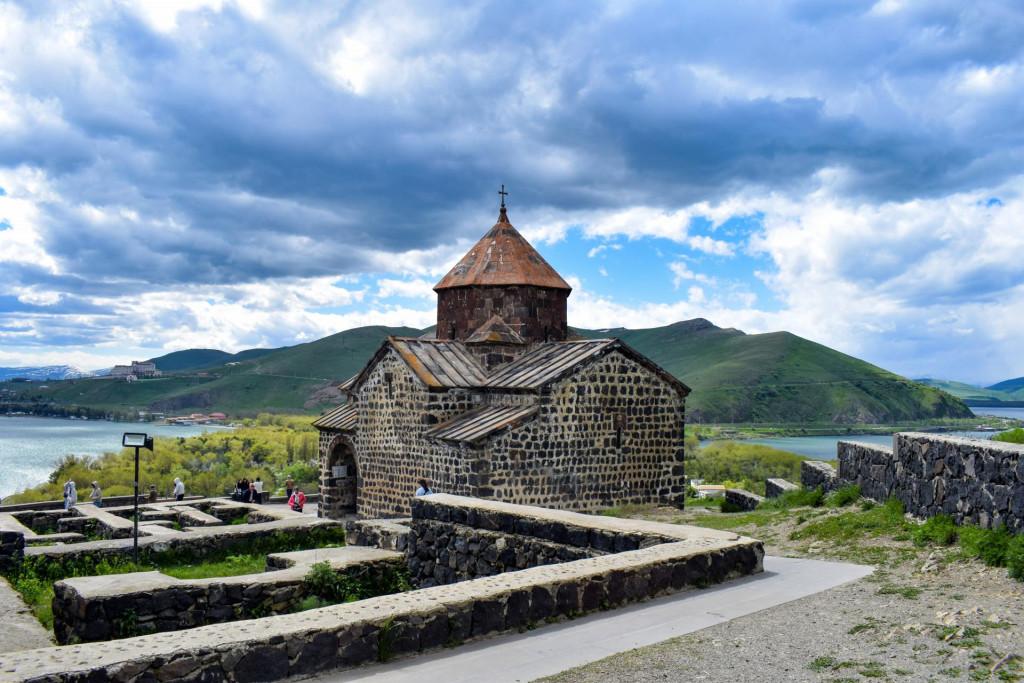
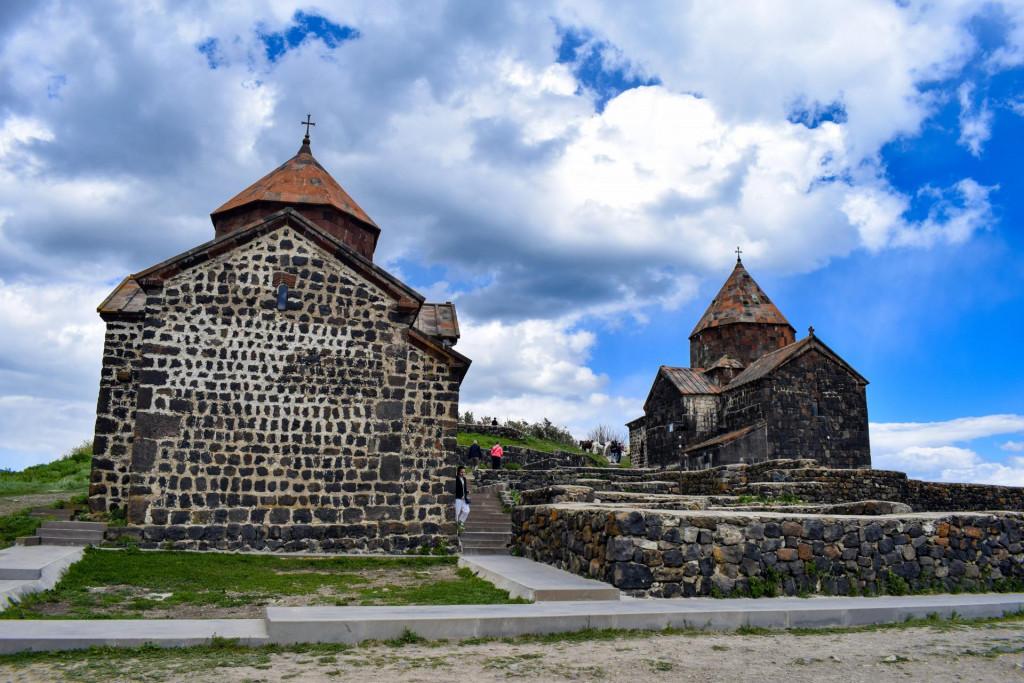
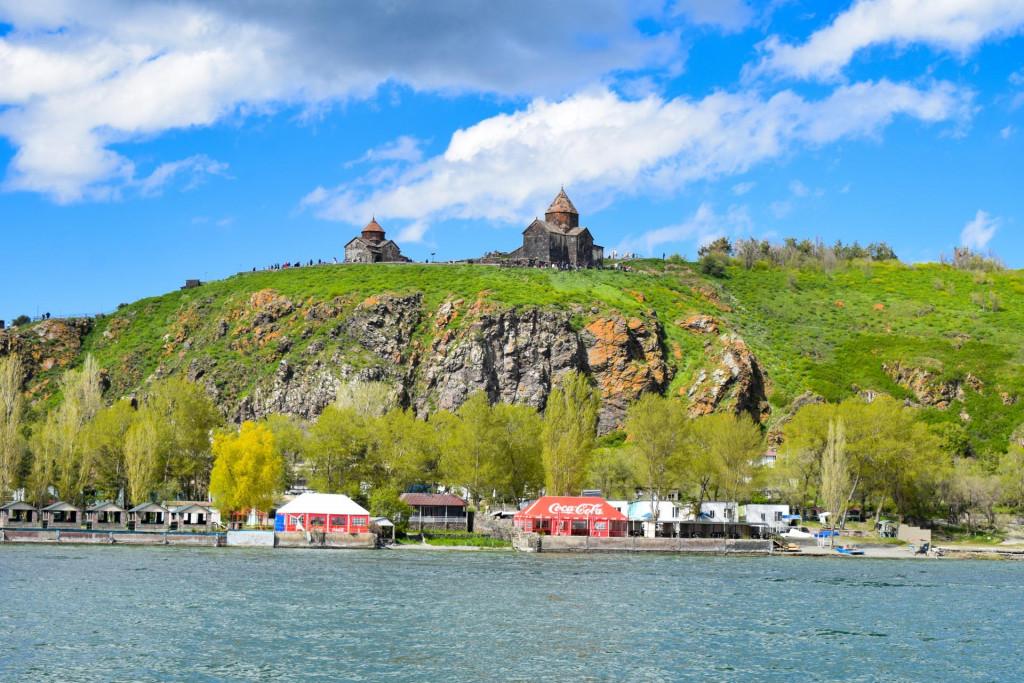
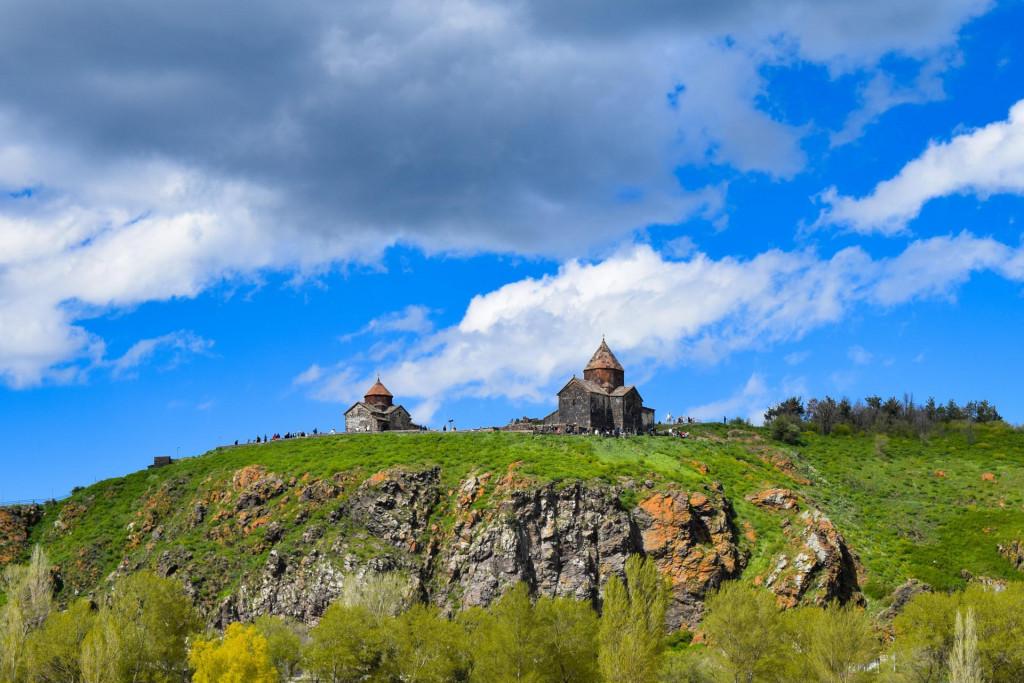
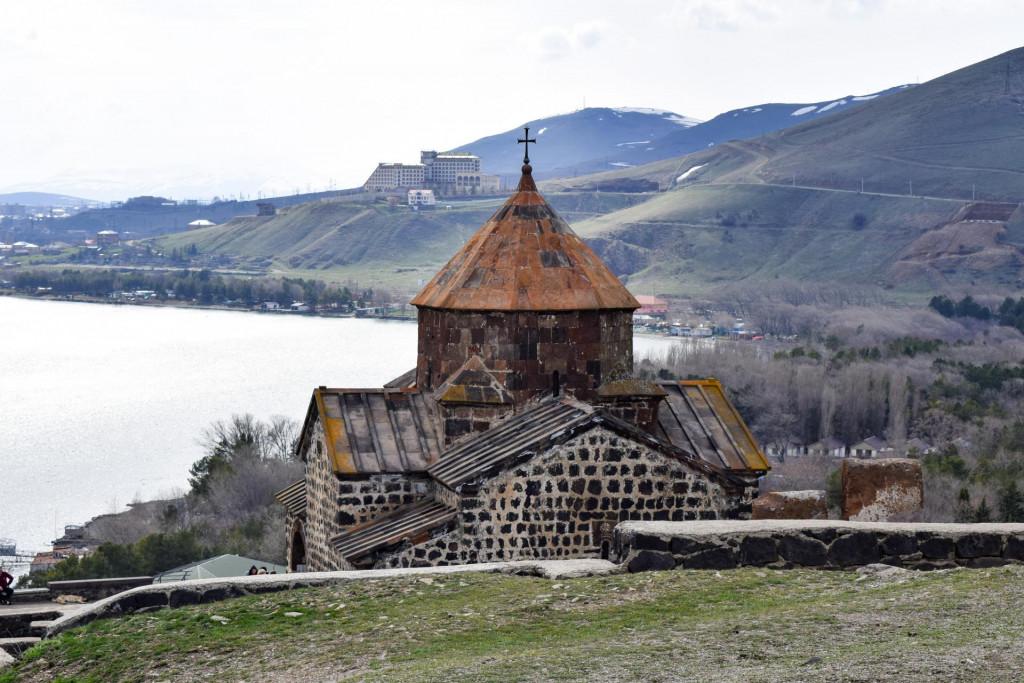
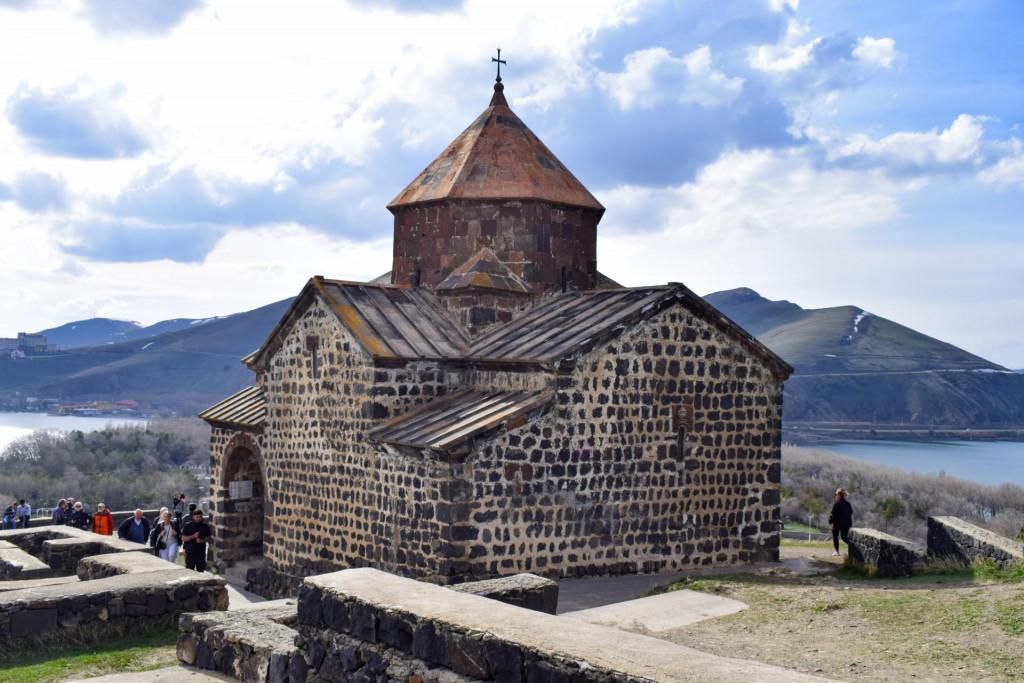
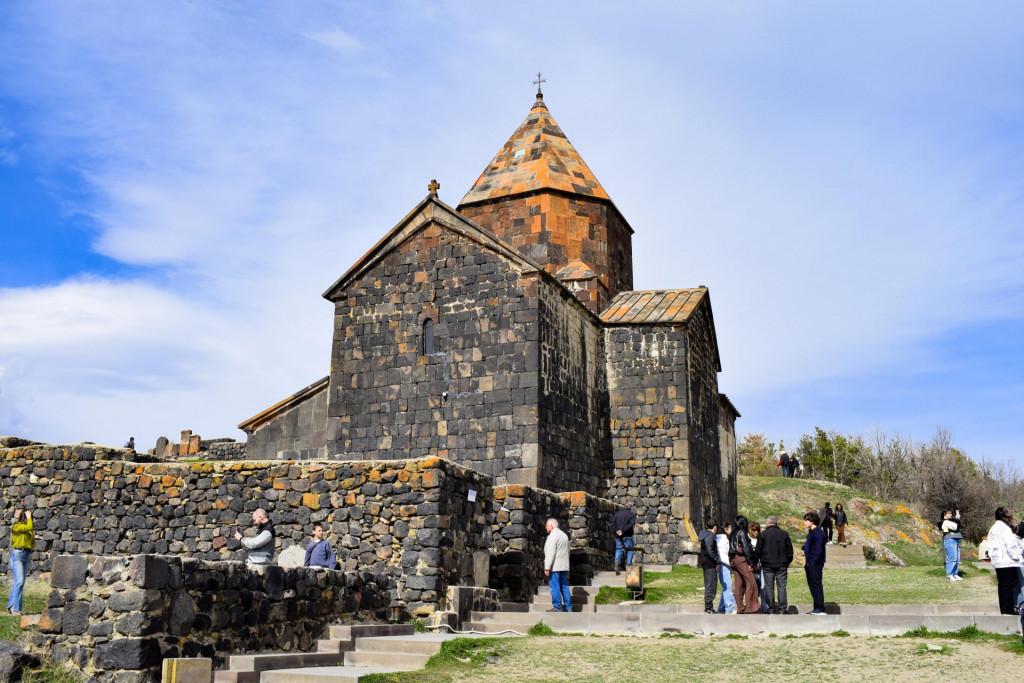
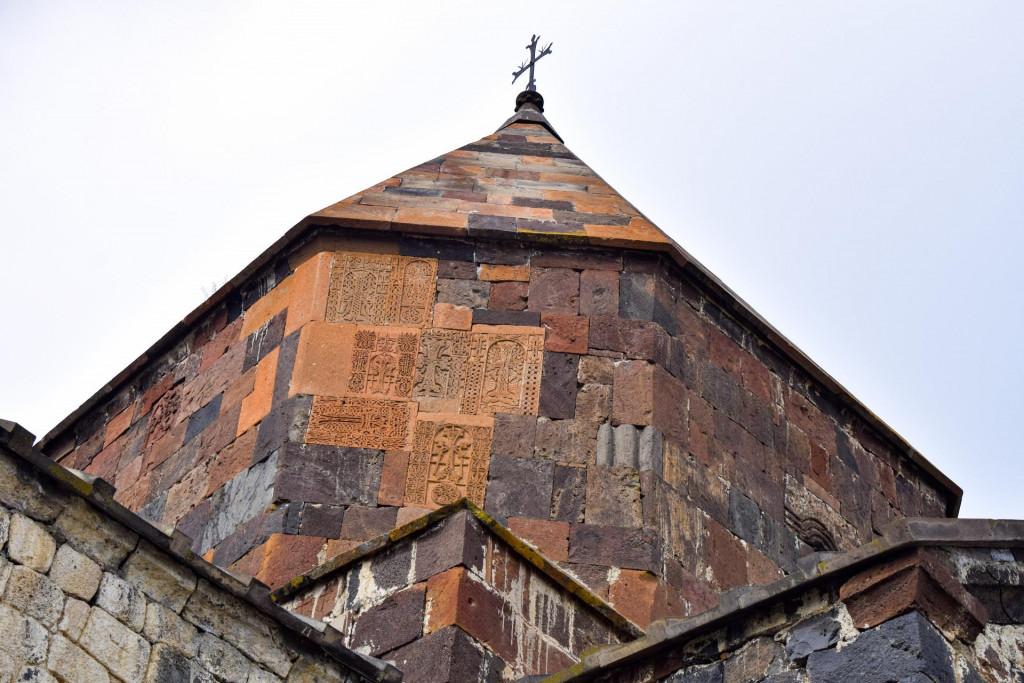
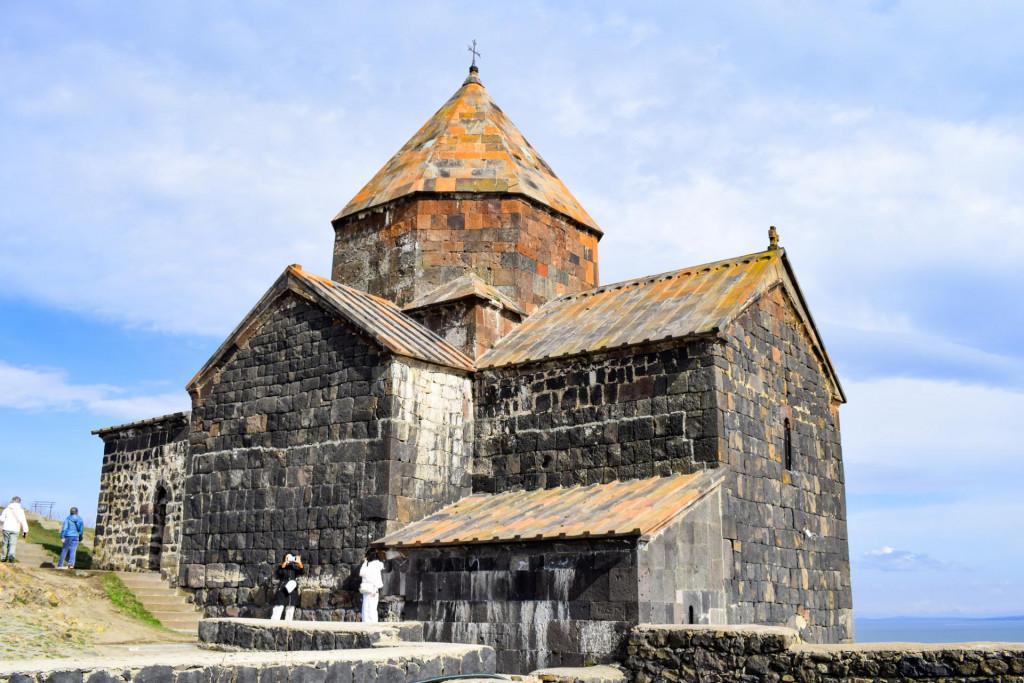
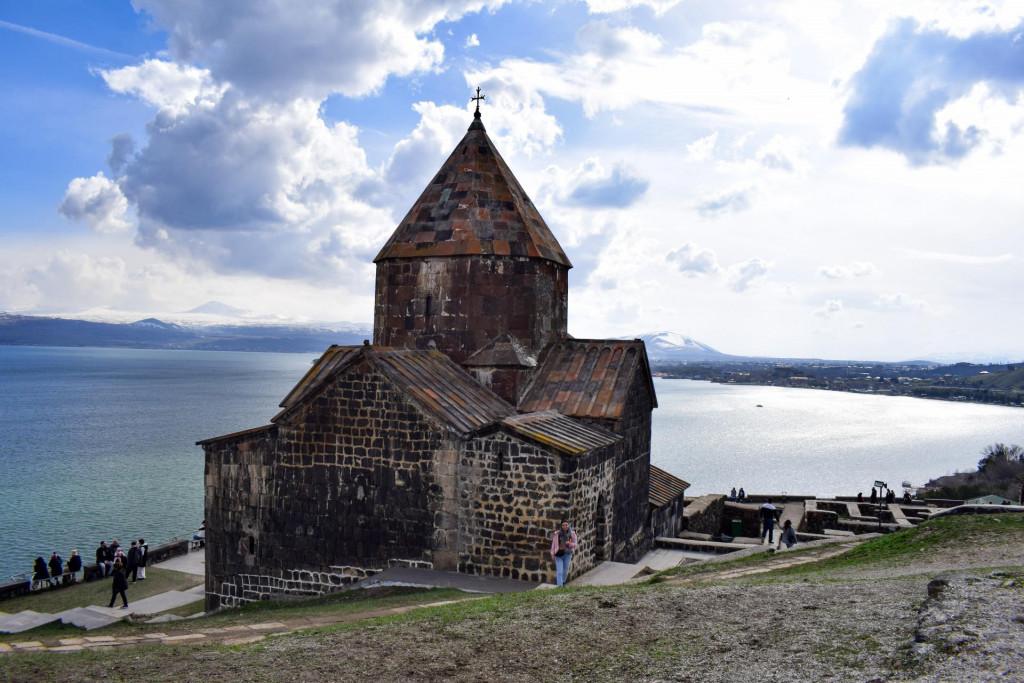
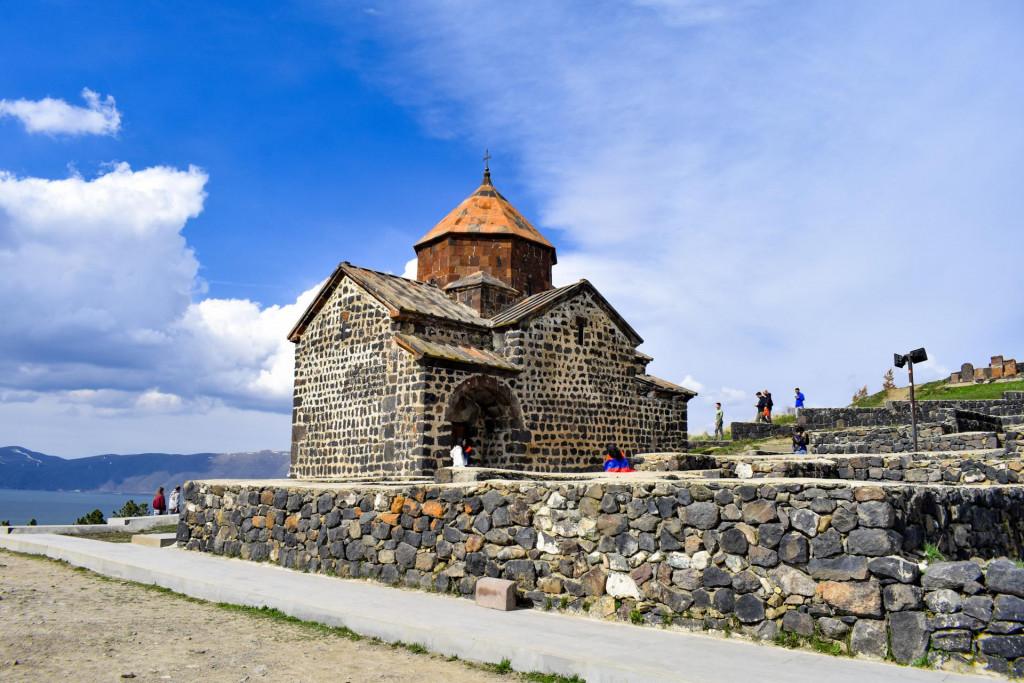
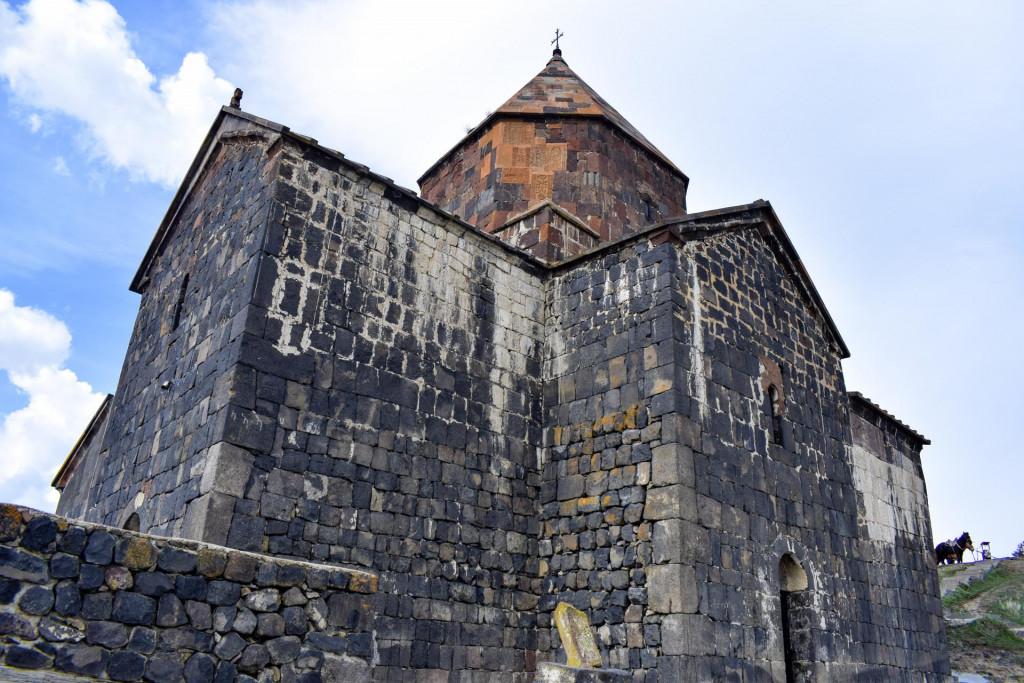
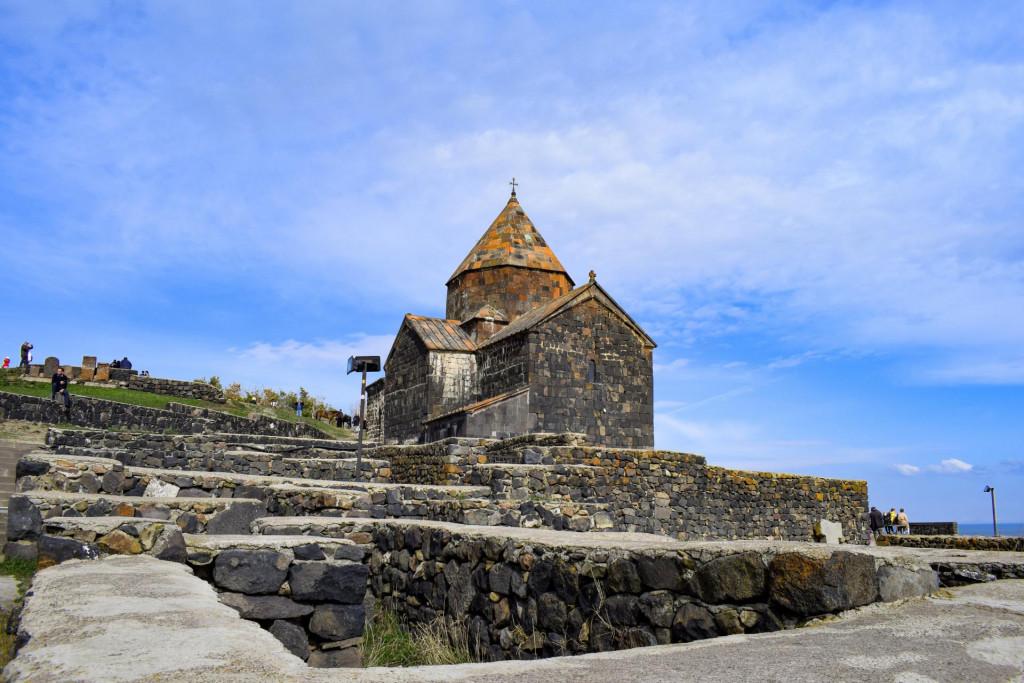
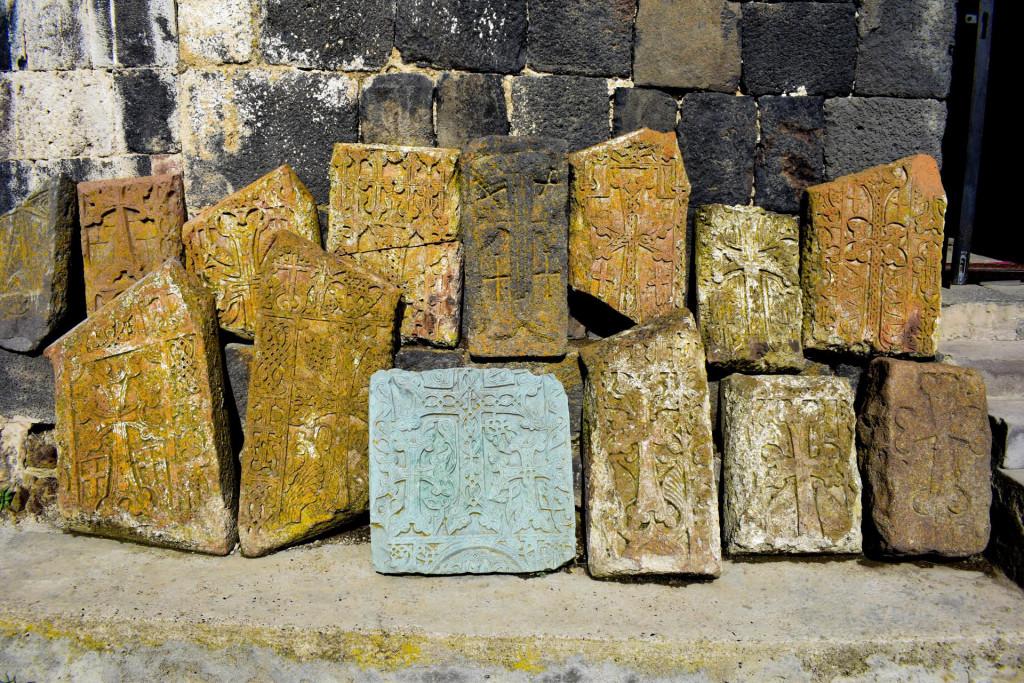
About Sevan Monastery
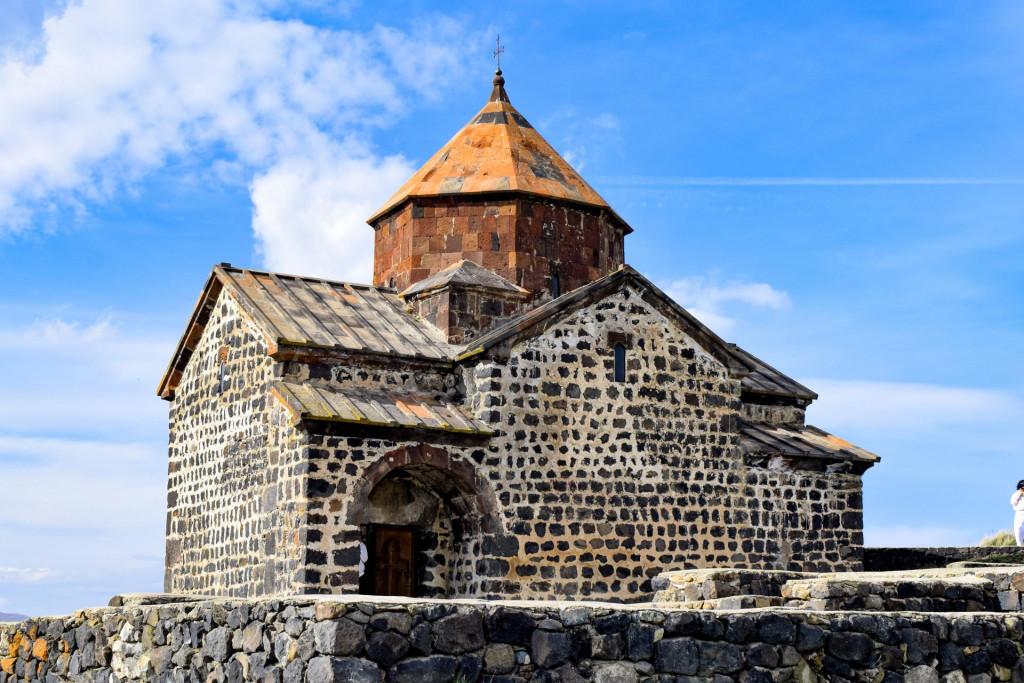
Sevanavank (Armenian: Հայանական; meaning "Sevan Monastery") is a monastery complex located in the Gegharkunik Province of Armenia, on a peninsula on the northwestern shore of Lake Sevan, not far from the city of Sevan. The monastery was originally built on the southern shore of a small island. After the artificial drying (lowering) of Lake Sevan, which began during the era of Joseph Stalin, the water level dropped by about 20 meters, as a result of which the island became a peninsula. The guesthouse of the Writers' Union of Armenia was built on the southern shore of this newly formed peninsula. The eastern shore is occupied by the summer residence of the President of Armenia, and the monastery's seminary, which still operates today, was moved to newly constructed buildings located on the northern shore of the peninsula.
Due to its easy accessibility (since it became a peninsula), good road and rail connections to the capital Yerevan, well-developed tourist infrastructure in the nearby city of Sevan, and its picturesque location (although the surroundings are less picturesque than they used to be after the lake level dropped), Sevanavank is one of the most visited tourist attractions in Armenia.
History
According to an inscription on one of the churches, the Sevanavank Monastery was founded in 874 by Princess Mariam, daughter of Ashot I (who became king a decade later). At that time, Armenia was still struggling to escape Arab rule.
The monastery had a strict internal code, as it was mainly intended for monks from Echmiadzin who had committed sins. The French explorer of the Caucasus, Jean-Marie Chopin, who visited the monastery in 1830, wrote about the strict regime, which prohibited meat, wine, and the presence of young people or women in the complex. Another explorer, who visited the monastery in 1850, noted how manuscripts were still copied by hand.
Architecture
Both churches in the complex—Surf Arakelotsi (meaning "Holy Apostles") and Surf Astvatsatsin (meaning "Holy Mother of God")—are cross-domed structures with octagonal nave. Visually, both churches are very similar. Next to them are the ruins of a gavit (a gateway/narthex typical of Armenian architecture), the roof of which was originally supported by six wooden columns. The remains of the gavit and some of its columns can be seen in the Yerevan History Museum.
Reconstruction and restoration works of the monastery complex were carried out in 1956-1957.
40.56391
, 45.010915
Duration:
1 hour
Content Authors
Our guides are ready to help you on this trip

+59
Book a tour online!
Buy our tours online and explore incredible Georgia!
See all
Map


 LOGIN WITH GOOGLE
Please login to ask a question
Ask a Question