
 GEO
GEO  ENG
ENG  RUS
RUS 
Help other travelers use your experience.
Review this destination, share your thoughts, impressions, pros and cons.
Let's make traveling easier than ever.
Didveli - Black Rock (Karaqaia) - Sanislo
About Didveli - Black Rock (Karaqaia) - Sanislo
Best time to visit:
Winter
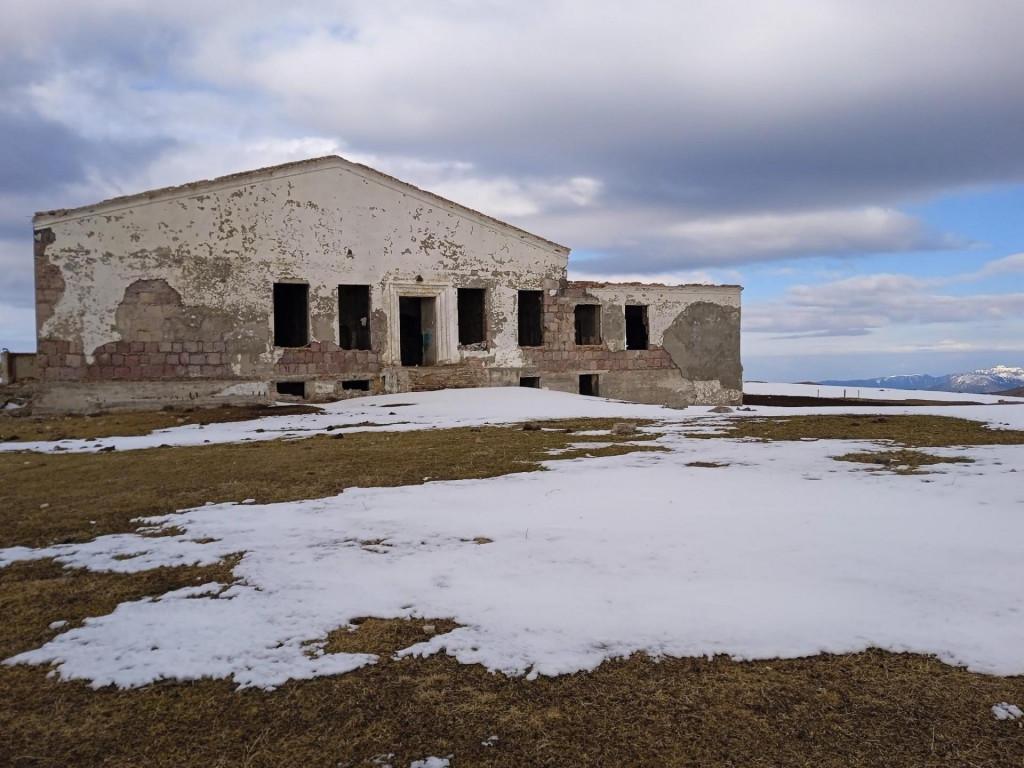
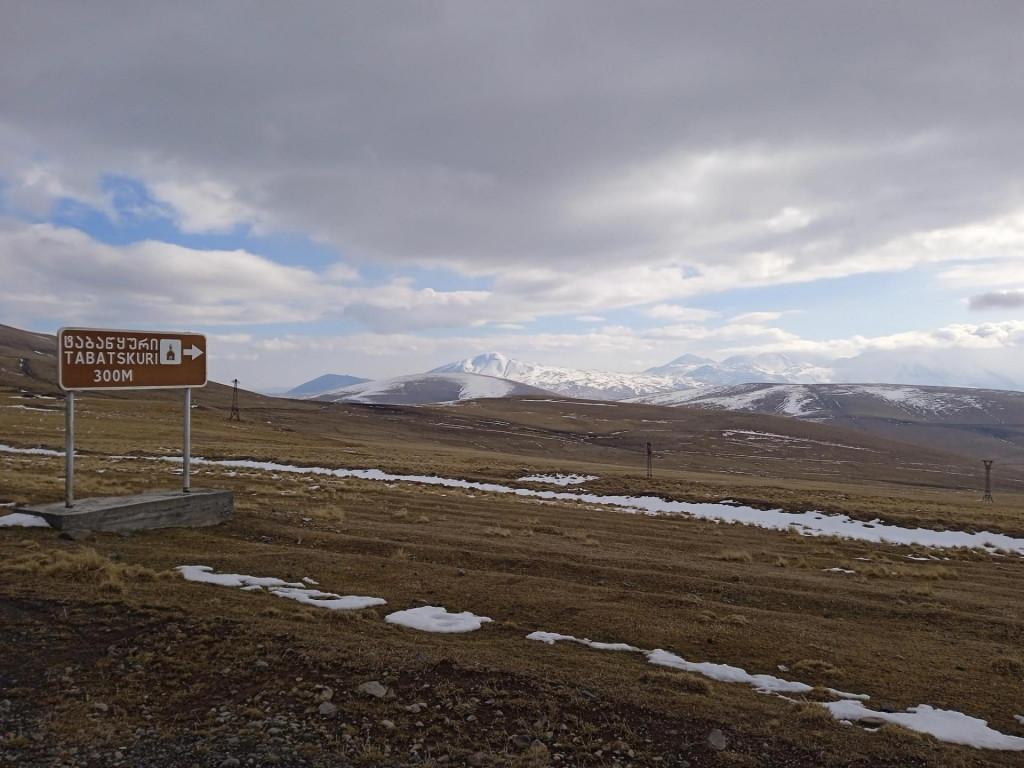
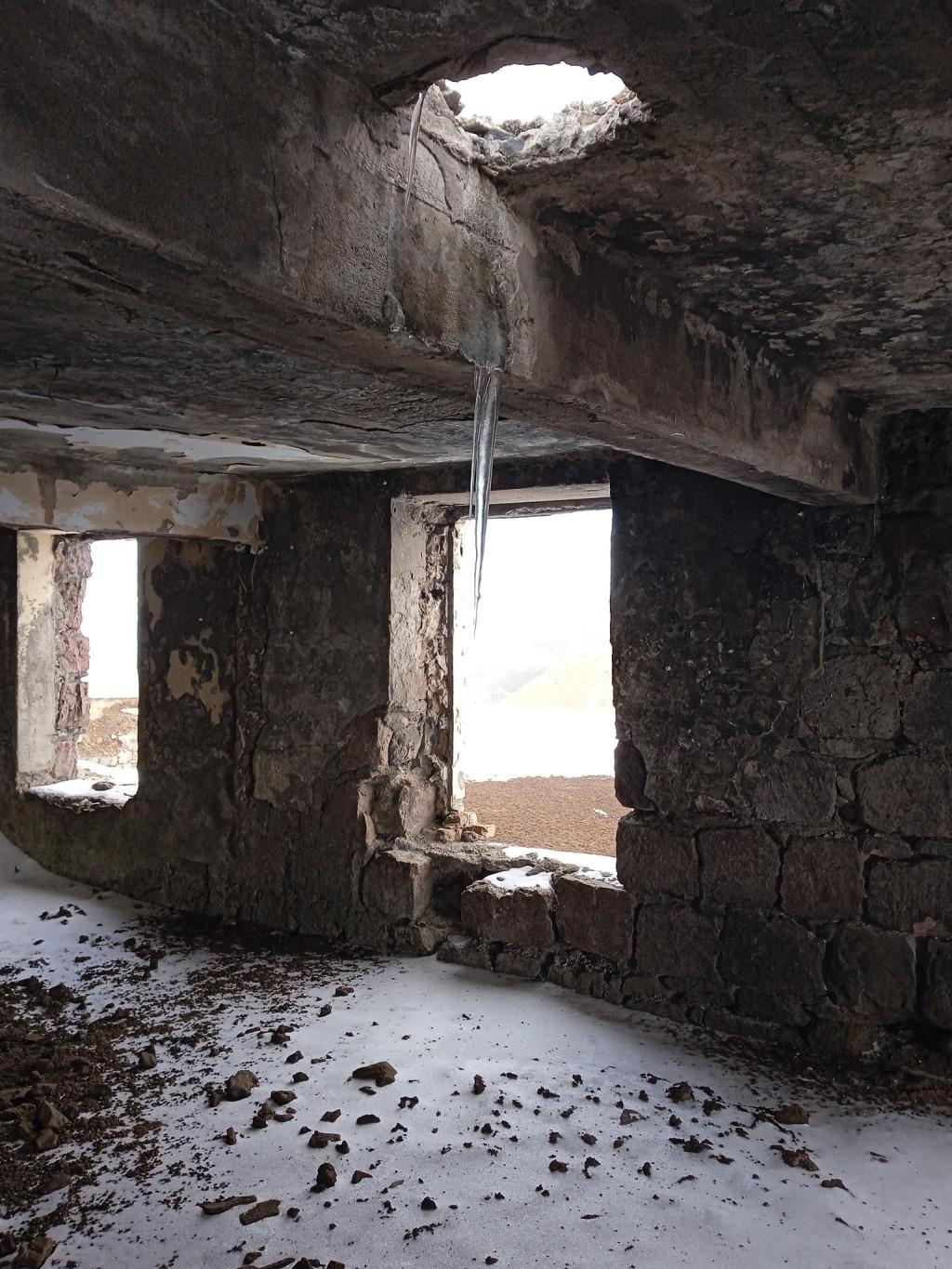
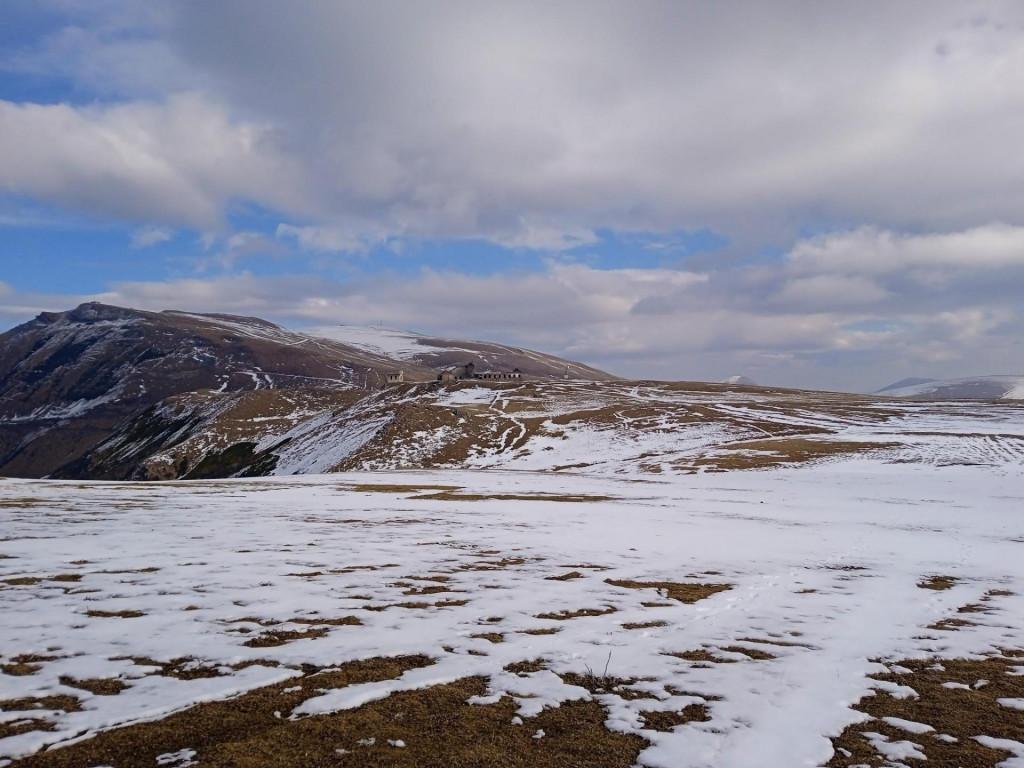
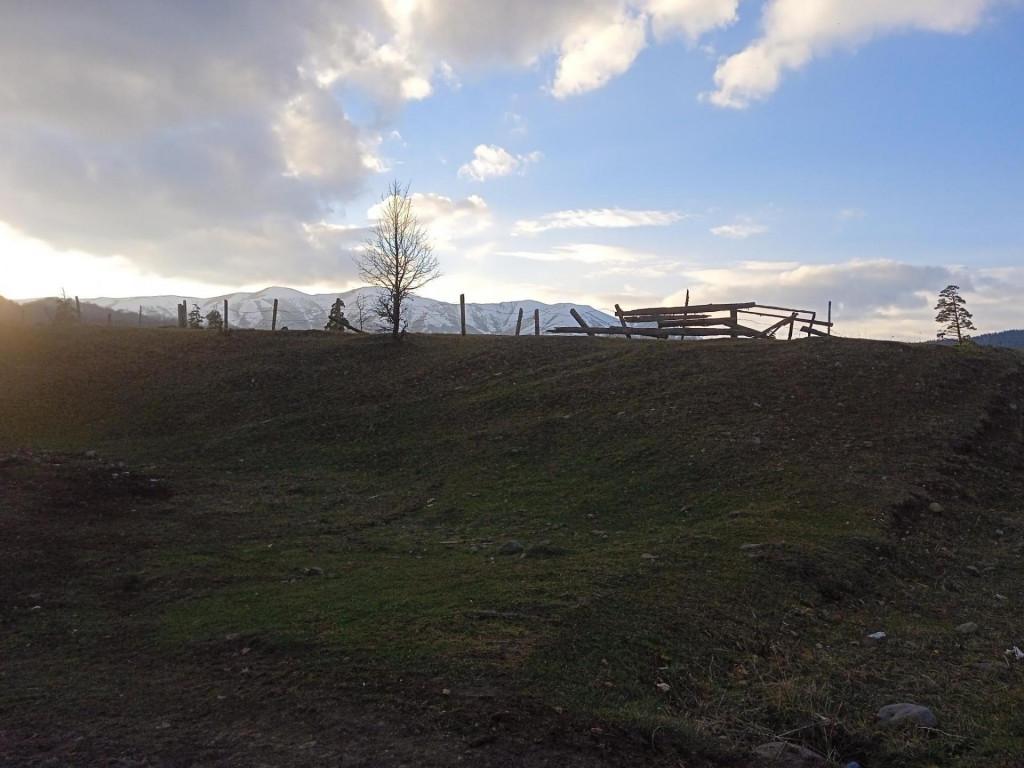
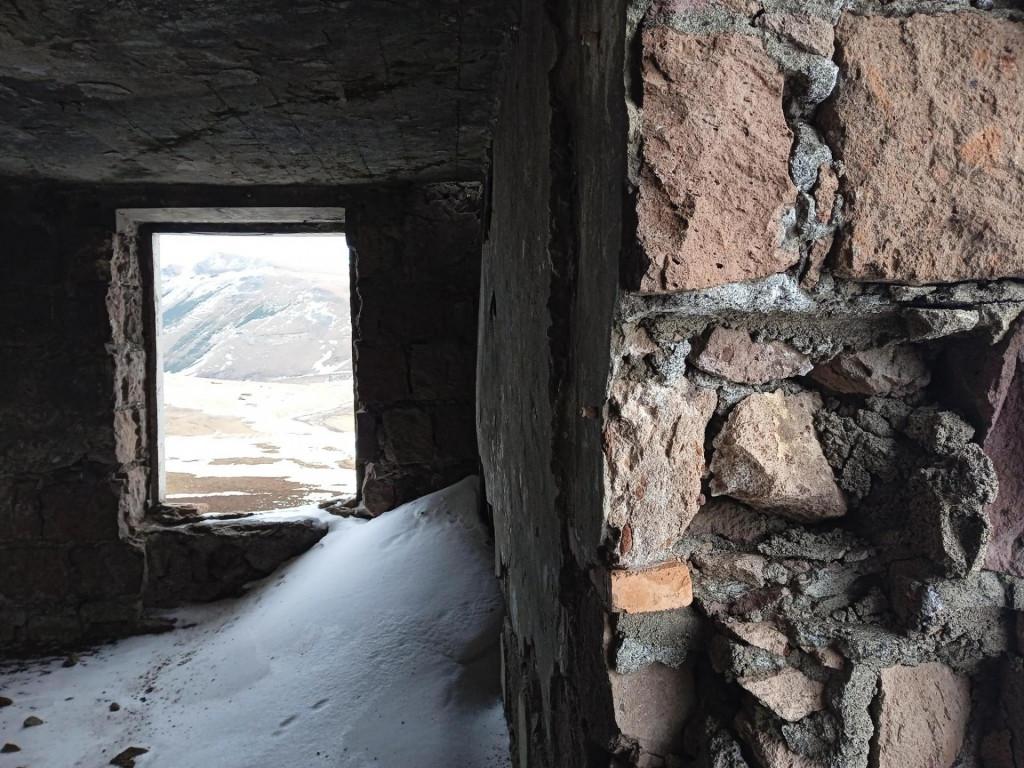
Winter hiking tour on the Trialeti Range --> The route from Didveli continues in the direction of Shavi Klidi towards the ruins of the astrophysics laboratories. It follows the northern slopes of Shavi Klidi (altitude 2850 m above sea level) and Sanislo, descending through steep and fragmented subalpine forests to the village of Tsikhisjvri.
The route is distinguished by its abundance of geotourism monuments.
The Trialeti Range is the eastern half of the Adjara-Trialeti mountain system, which extends in a sub-equatorial direction for 180 km from the Akhaltsikhe Basin to Tbilisi. The width of the range is 25-40 km, most of which falls on its well-developed northern slope. It reaches its greatest width in its middle part on the Kareli Meridian. The average altitude is 2115 m, and the lowest pass is Jam-Jama 2250 m. The highest peak of the range, Shaviklde (Karaqaia), is located on the western part of the Tsikhijvari branch, south of the village of Tsikhijvari, its height reaches 2850 m. Other peaks worth noting include: Arjevan, Sakvelosmta, Kodiani, Oshora, Tskhratskaro, Ortavi, and others. Their height varies from 2500-2800 m. Despite this, the depth of the Trialeti ridge is small compared to other sections of the Adjara-Trialeti system, which is due to the high hypsometric location of the local erosion bases. Several important branches descend to the ends of the ridge: in the west, the Gvirgvina and Tsikhijvari branches descend from Jamjama, which cover the Gujarati basin from the south and north; in the east, from Mt. Didgori, the Veryani branch divides into three ridges: Satskepla, which reaches the Mtskheta mountains; Mskhaldidi, which borders Tbilisi with its northern part, and the Orbeti ridge, the end of which also reaches Tbilisi.
Relief and geodynamic processes of the Samtskhe-Javakheti region
Interesting facts about snowshoes
The "oldest snowshoes in the world" were discovered in 2016 in a melting glacier in the Italian Dolomites, dating back to 3800 to 3700 BC. They were crude, frame-like snowshoes.
Strabo wrote that the inhabitants of the Caucasus tied flat pieces of leather to round wooden surfaces and fastened them under their feet. Otherwise, they could neither hunt nor walk in untracked snow conditions. However, the form of equipment used today is based on the "traditional" snowshoes of the indigenous peoples of North America.
https://en.wikipedia.org/wiki/Snowshoe
View route

 LOGIN WITH GOOGLE
Please login to ask a question
Ask a Question